
Technology to disrupt
the metals industry:
clean, safe, and
urgently needed
High-Temperature Electrolysis makes refining:
faster
cleaner
cost-effective
YOUR PARTNER IN ADVANCED METALLURGY
High-Temperature Electrolysis is the future of metallurgy
WHAT MAKES IT DIFFERENT?
A platform technology
High-Temperature Electrolysis, a major departure from legacy metals production, uses electricity to turn dirt into metal at commercial scale.
It's a platform technology. The High-Temperature Electrolysis platform addresses many metals. The cell design and knowledge transfer from chemistry to chemistry.
Sadoway High-Temperature Electrolysis will displace the legacy technology and disrupt the metals industry.
Cleaner
High-Temperature Electrolysis operates with near zero emissions to air, water, and soil, allowing faster permitting, and easier siting than current smelting technology.
No coal means dramatically lower emissions. Consider the end of the legacy technology.
Cost effective
High-Temperature Electrolysis is less costly than the current technology. If sited near low-cost power, such as hydropower, the cost is exceptionally low. Higher energy efficiency means competitive unit economics at today's electricity prices.
A simpler flowsheet. Fewer process steps mean lower capital cost and dramatic reduction in OpEx.
Smaller footprint. The High-Temperature Electrolysis smelter has a footprint that is 1/10th the area of a conventional smelter.
THE SADOWAY PLATFORM TECHNOLOGY
Four phases from ore to metal
Sadoway Incorporated is focused on efficient, sustainable, price-competitive metals extraction with near-zero emissions to air, water and soil. In contrast to other companies claiming to work on critical minerals while remaining silent on the metallurgical chemistry, Sadoway Incorporated is a singularity in this sector owing to its focus on radical innovation in metals extraction. Distinct from classical molten salt electrolysis, i.e., fluorides or chlorides, the key enabling technology here is High-temperature Electrolysis, capable of of processing any of a plurality of critical minerals, whether they be mined as oxides or sulfides. We custom tailor our process to the specific chemistry of the orebody that we want to convert into metal product.
Phase one
Demonstrate at lab scale
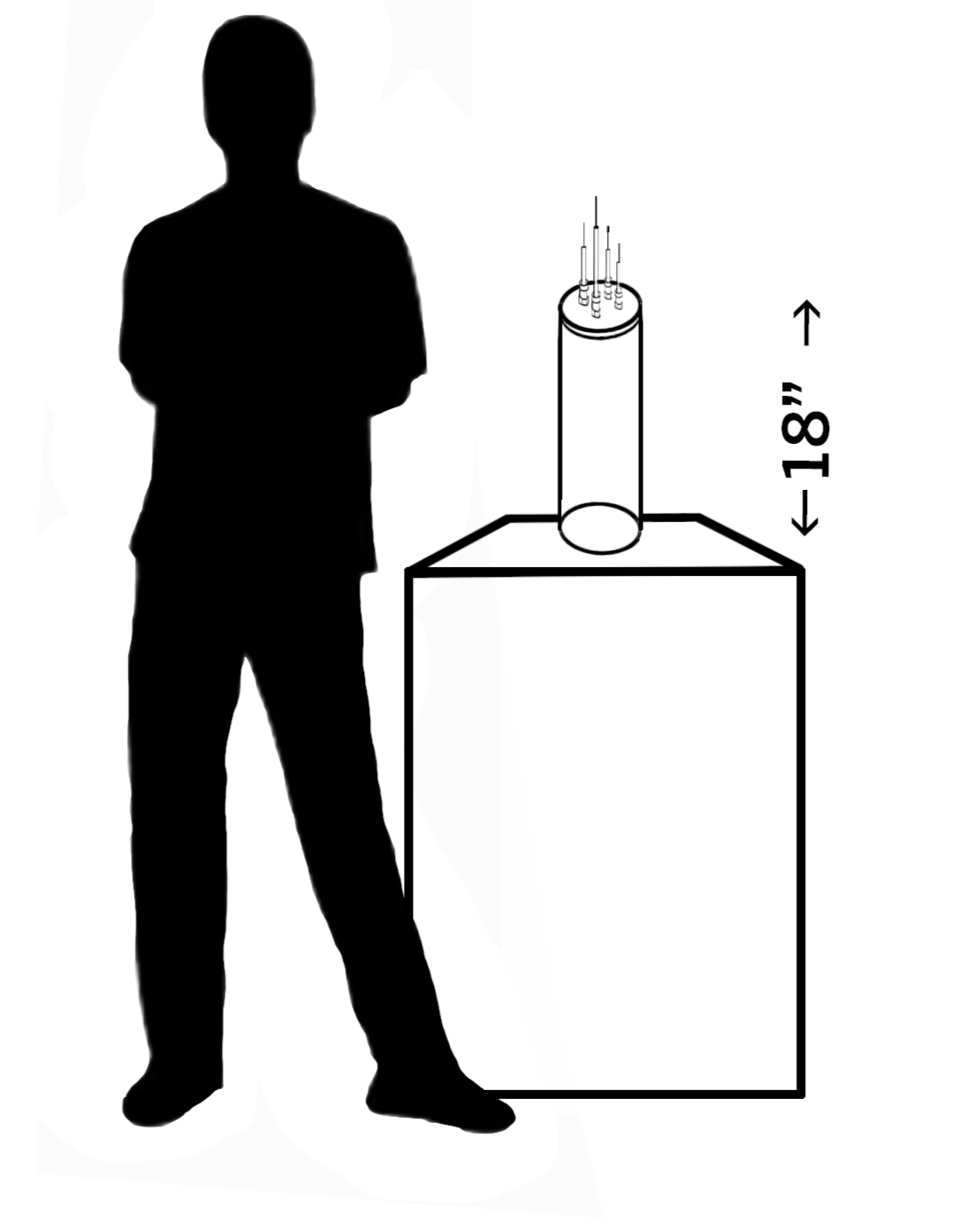
Sadoway Laboratory phase one testing cell
Develop bespoke process tailored to make metal from given ore body. Design of the sequence of processing steps followed by testing in laboratory cell to validate the chemistry and produce first primary metal.
Phase two
Scale up
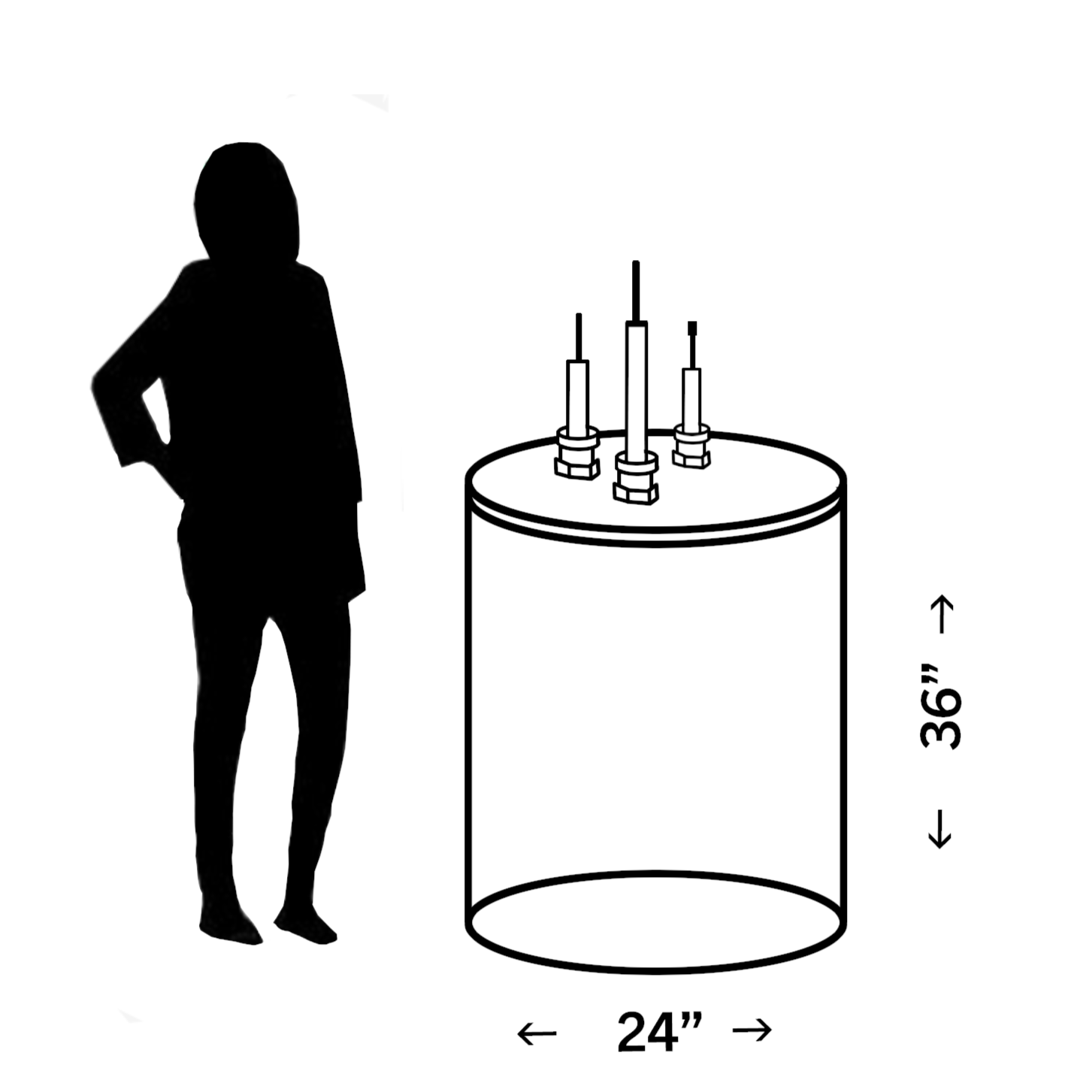
Sadoway Laboratory self-heating cell
Upscale the process to minimum viable self-heating cell to determine the operating envelope while running the cell continuously for multiple weeks producing metal that is periodically tapped and analyzed for purity. In parallel, energy consumption is determined along with process conversion efficiency.
Phase three
Pilot scale processing with self-heating reactor
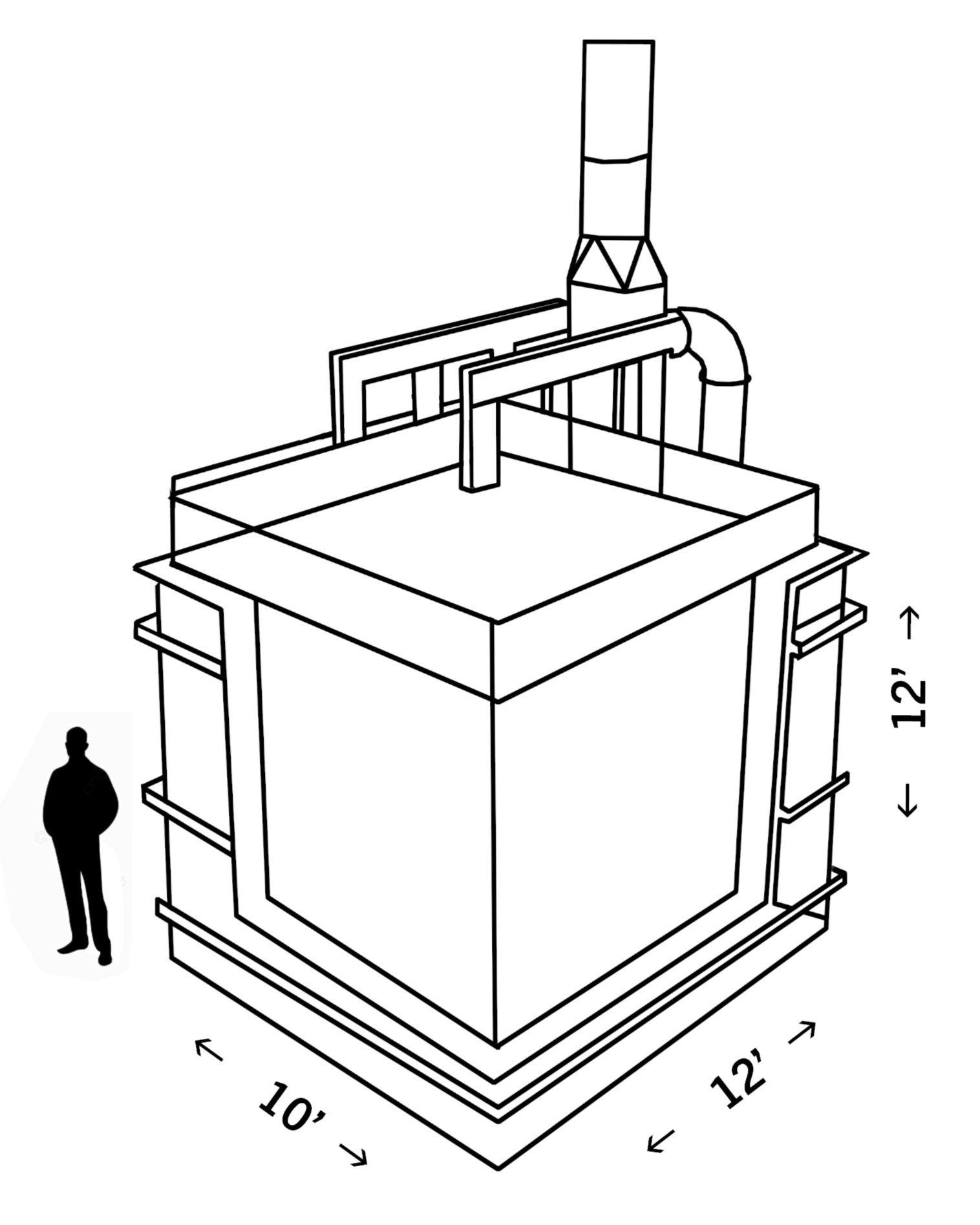
Sadoway Laboratory pilot cell
The pilot-scale cell previews the commercial scale device to be built at the customer’s location. The cell is designed for continuous operation which means periodic feeding and tapping of liquid metal product. Each campaign, or run, may last for weeks at the Sadoway Laboratory. Cell currents may be several thousand amperes. The results obtained inform the design of the commercial-scale cell and give performance data such as purity of primary metal and MWh/tonne to produce metal.
Phase four
Commercial-scale mining, processing, production
Construction of industrial smelter
Customer site
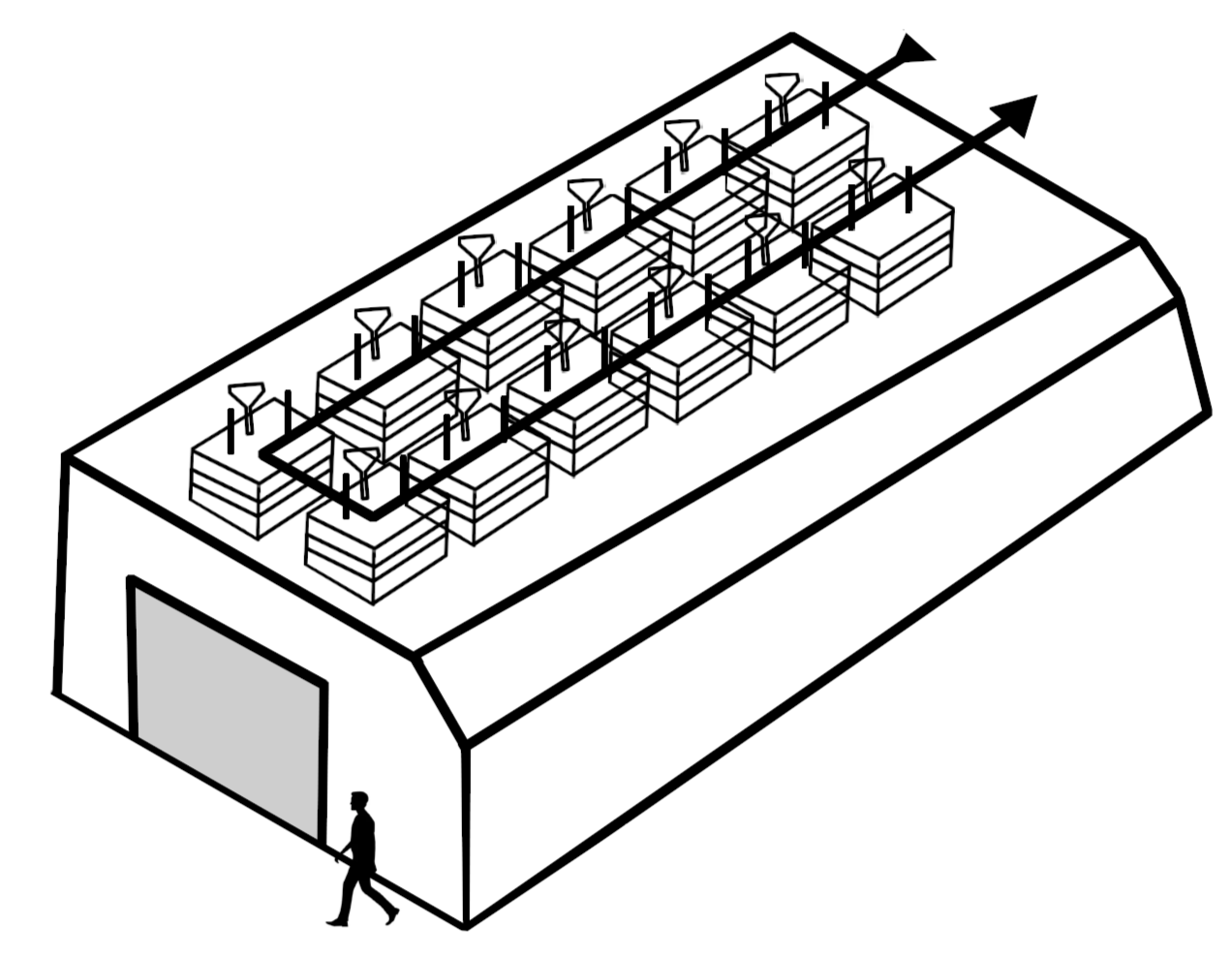
The Sadoway smelter will be constructed by an industrial firm that specializes in metallurgical extraction. The smelter will be designed to produce thousands of tonnes of metal per year. Siting will be according to the customer’s specifications: near the mining site, transportation hub, or low-cost energy source.
The Sadoway smelter is a one-floor, modular design, with 10×10×10’ cells arranged in pairs. Smelter size determines output. With antimony, for example, the cells in the Sadoway smelter are each capable of processing one tonne of metal per day. A refinery built with 28 cells could producer 10,000 tonnes annually.
POWERING CRITICAL MINERAL SUPPLY CHAINS
Start with the periodic table
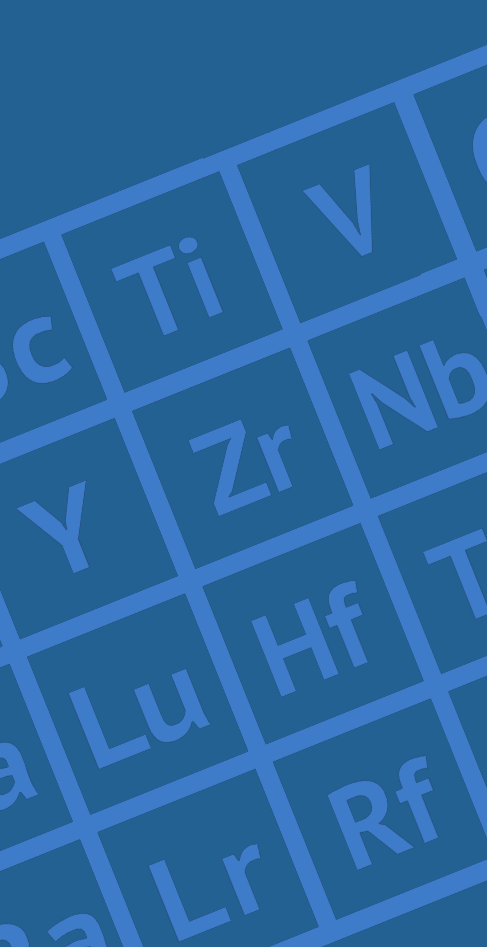
The science behind High-Temperature Electrolysis is not speculative. All of the world's aluminum today is produced by a variant of High-Temperature Electrolysis.
60+
Elements on the periodic table are appropriate for High-Temperature Electrolysis, including rare earths.
Antimony
Titanium
Gallium
Neodymian
Lithium
Beryllium
Boran
Sodium
Magnesium
Aluminum
Silicon
Neodymium
Holmium
Uranium
Tungsten
Rhenium
Osmium
Potassium
Calcium
Scandium
Titanium
Vanadium
Chromium
Manganese
Iron
Cobalt
Nickel
Copper
Samarium
Erbium
Lutetium
Iridium
Platinum
Gold
Zinc
Gallium
Germanium
Rubidium
Strontium
Yttrium
Zirconium
Niobium
Molybdenum
Ruthenium
Rhodium
Europium
Thulium
Lead
Bismuth
Lanthanum
Disprosium
Palladium
Silver
Cadmium
Indium
Tin
Antimony
Tellurium
Cesium
Barium
Hafnium
Tantalum
Gadolinium
Ytterbium
Cerium
Praseodymium
Terbium
YOUR PARTNER IN ADVANCED METALLURGY
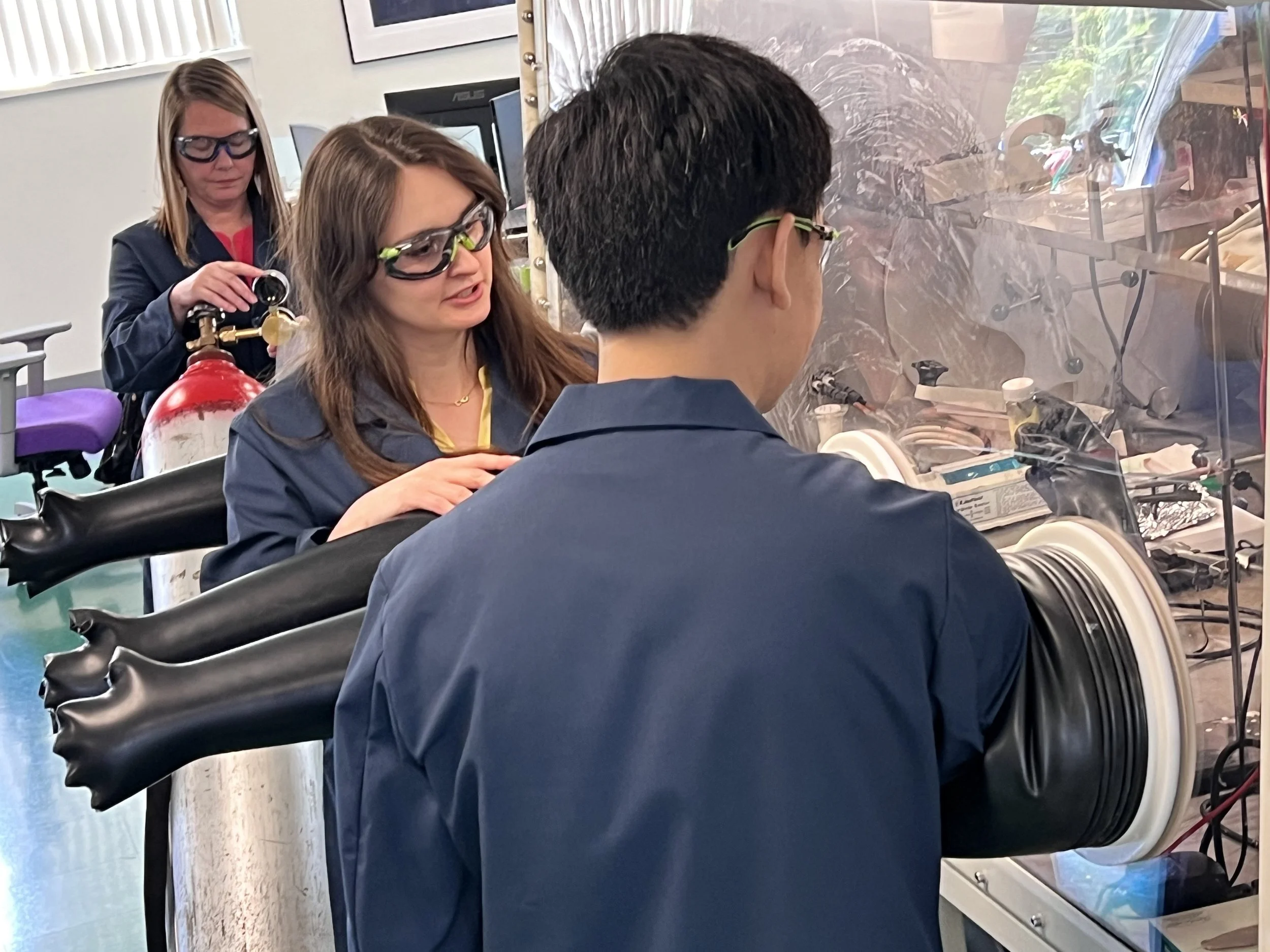
The Sadoway Laboratory
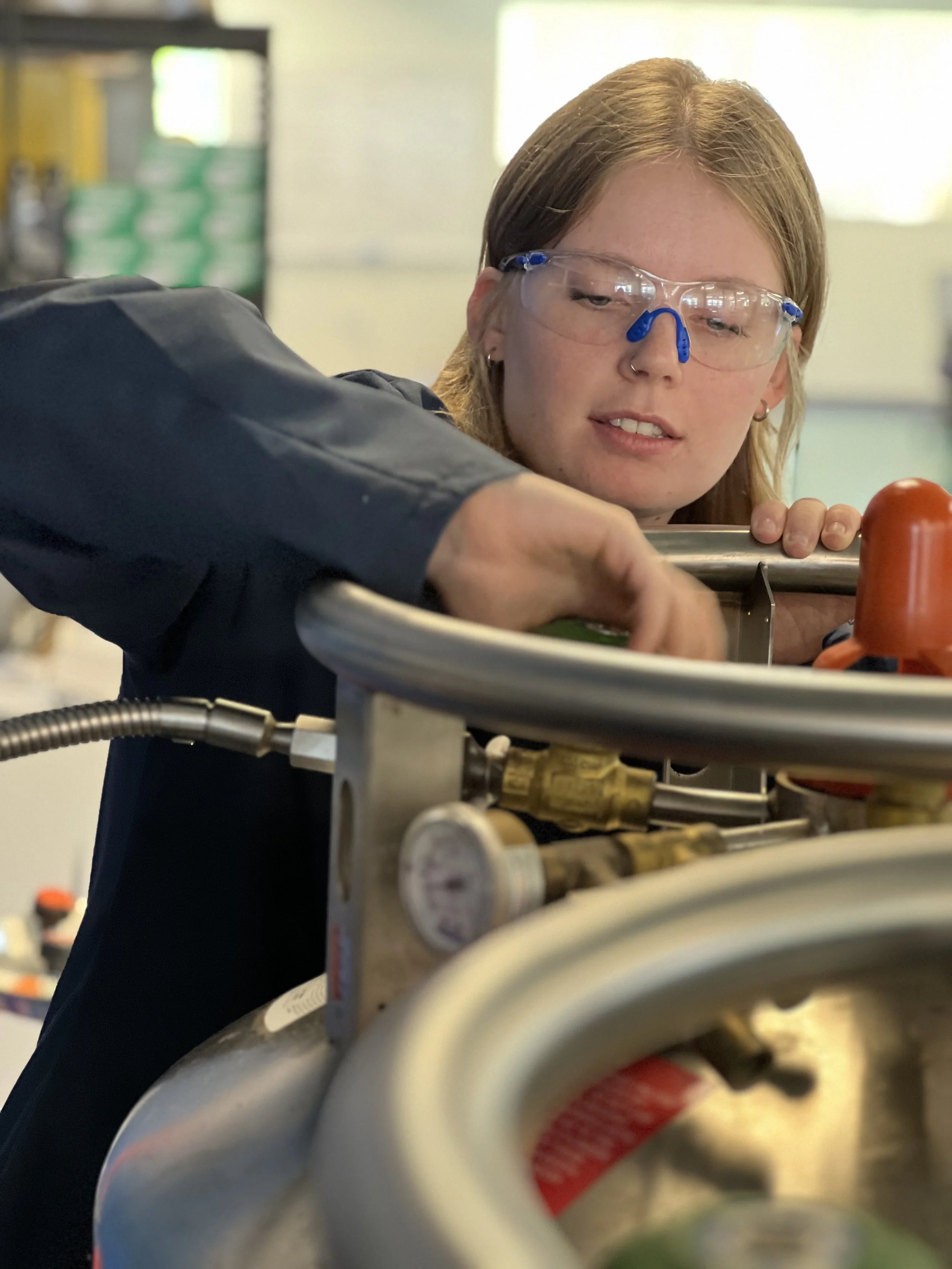
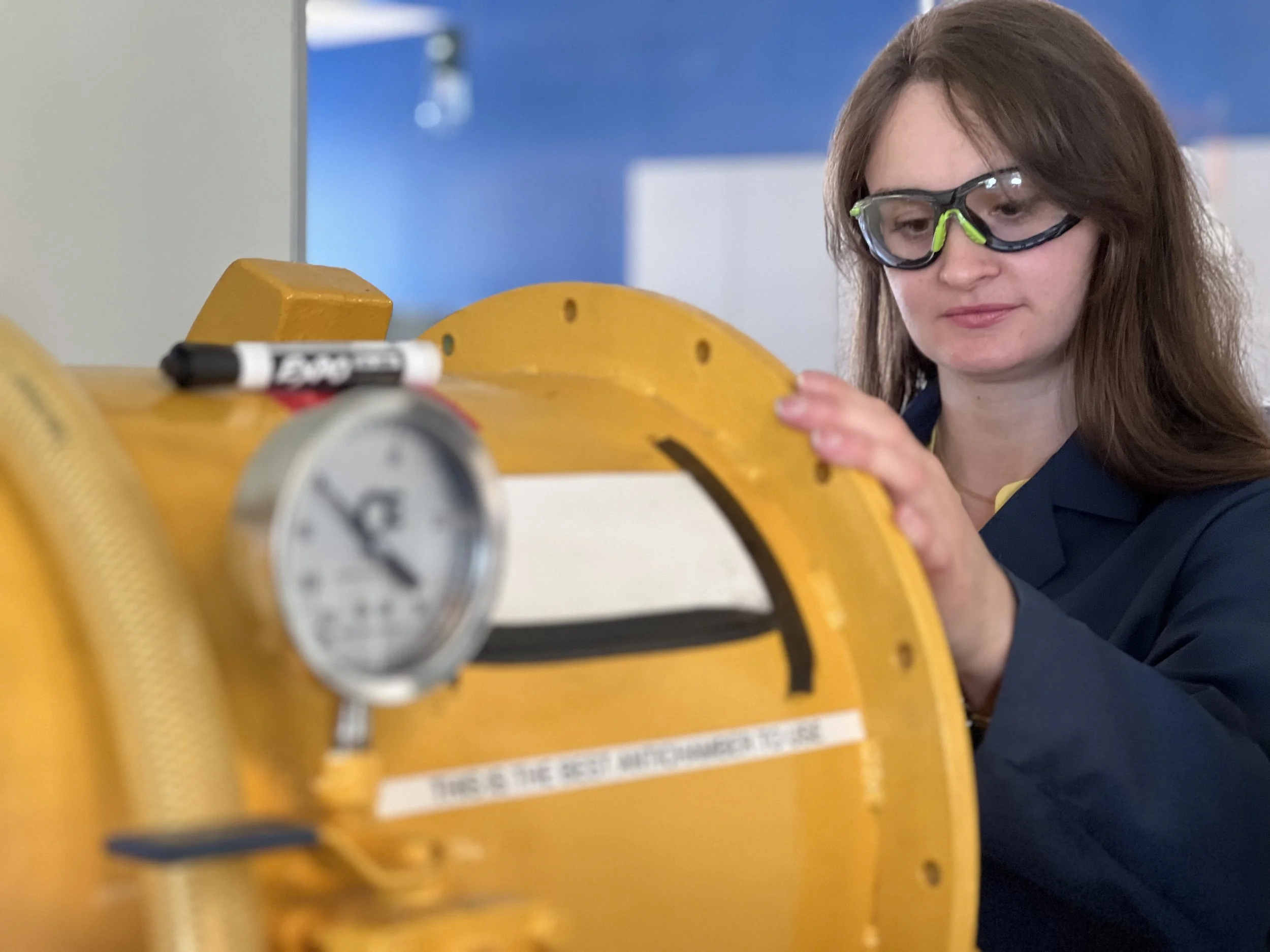
The Sadoway Laboratory is the only one of its kind, pioneering clean energy and manufacturing through extreme electrochemistry. The lab is a crucible of innovation, where we take on high‑impact, ambitious metallurgy projects aimed at solving industrial sustainability challenges. Founded by Professor Donald Sadoway, the Sadoway Laboratory was established to break free from traditional university research constraints and accelerate radical innovation in metals production.
BEHIND THE SCIENCE OF HIGH-TEMPERATURE ELECTROLYSIS
Radical innovation in metals extraction
Professor Donald Sadoway has been the dedicated to metallurgical extraction for over 40 years.
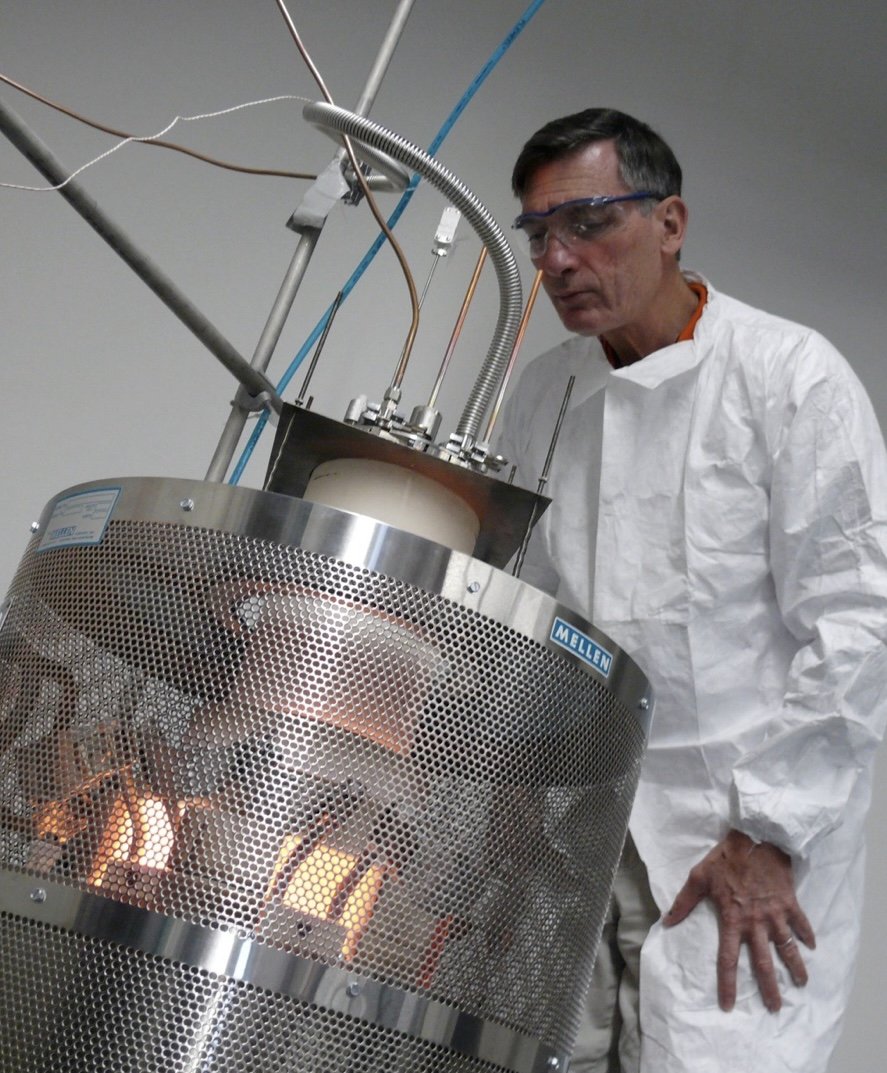
Professor Sadoway and his Group Sadoway worked at MIT on metallurgical experiments starting in 1978.
The R+D continued in 2007 when Donald Sadoway along with James Yurko started the company 22Ti to commercialize the production of titanium. The project was funded by the Norwegian metals company, Elkem.
This led to the founding of Boston Metal in 2012 with James Yurko and Antoine Allanore, a company established to commercialize the production of green steel by molten oxide electrolysis. Their invention of a proprietary cell fitted with the newly discovered inert anode, enabled oxygen evolution, thereby totally eliminating CO2 emissions.
The work continued in 2021 at Sadoway Labs Foundation, the 501(c)(3) enterprise funded by Schmidt Futures, the philanthropic initiative of Eric and Wendy Schmidt. At Sadoway Labs, Professor Sadoway conducted experiments on molten borate electrolysis for primary extraction on neodymium and antimony as well as aluminum recycling by molten chloroaluminate electrolysis.
Now Sadoway Incorporated is commercializing the metallurgical processes developed over Sadoway’s 40+ year career exploring still more radical embodiments of molten oxide electrolysis drawn from lanthanate chemistries.
Sadoway’s patent portfolio is impressive, with 43 issued and several others applied for at the USPTO. Seven of his patents apply to metallurgical inventions, with the others from work in battery development, carbon capture, and polymers.
Sadoway Incorporated anticipates that with the bespoke formulation of electrolysis processes for new ore bodies will result in more patents that will be wholly owned by Sadoway Incorporated, adding to the company’s value.
OPERATIONAL CONCEPT
The Sadoway refinery on site
THE INCREDIBLY SIMPLE LOGISTIC SOLUTION
The Sadoway refinery will replace the legacy smelters with low-emission, cost effective operations.
Click to expand image
The Sadoway refinery will cut years and costs associated with permitting legacy smelters, replacing the old belching, polluting smelters with clean, small scale refineries that operate on a far smaller footprint than is currently in use.
The “one-pot” process slims down the conventional multi-step flow sheet into few unit operations. The reduction in OpEx and CapEx is considerable.
The Sadoway refinery, owning to small scale and modular design, can be sited near the mine, transportation hub, or low-cost power source.
The Sadoway refinery operates with a double row of 10’x10’x10’ smelter units. This one-story smelter design is modular and scalable.
The costs sited here are based on a technoeconomic analysis of a Sadoway refinery processing titanium.