
SADOWAY TARGET METAL
Consider nickel
Ni
Nickel 28
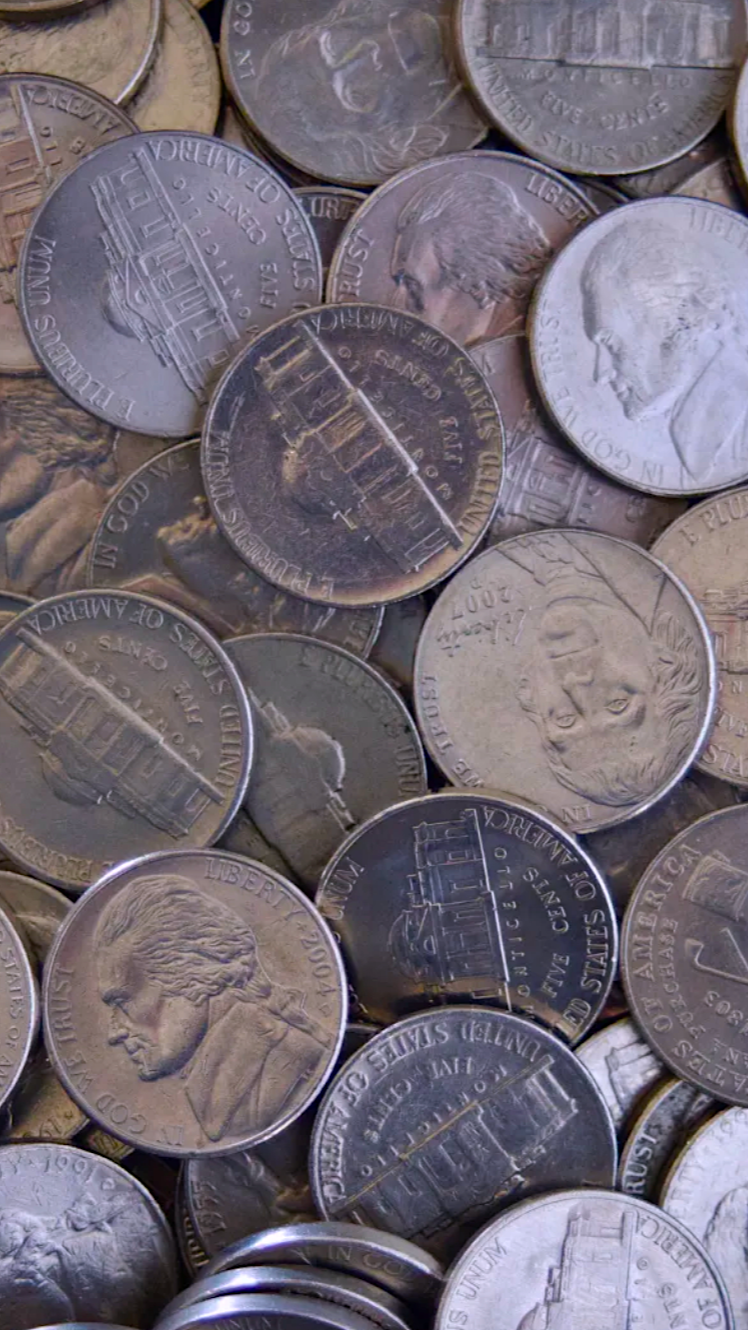
Nickel is a hard and ductile transition metal that is considered corrosion-resistant because of its slow rate of oxidation. It is one of four elements that are ferromagnetic and is used in the production of various type of magnets for commercial use.
PROOF OF CONCEPT
Nickel experiments carried out at MIT
Based on work performed by Prof. Sadoway at MIT in 1999, presented below is evidence of conversion of nickel oxide into liquid nickel by molten silicate electrolysis.
Consider a process in which nickel oxide (NiO), which is found in laterite ores, is dissolved in a solvent composed of a solution of other metal oxides into which are immersed two electrodes. By the action of electric current nickel oxide is decomposed into liquid nickel which pools on the bottom of the cell and into oxygen which vents through the top of the cell.
Experimental conditions
Melt- SiO2 31 wt %, CaO 11 wt %, CaF2 4 wt %,Al2O3 18 wt %, Li2O 6 wt %, NiO 30 wt %
Cathode – molybdenum rod
Anode- iridium rod
Electrolysis carried out at 11525℃ in a molybdenum crucible. A constant current of 7.5 A was passed through the cell over 4-hr period.
Observations
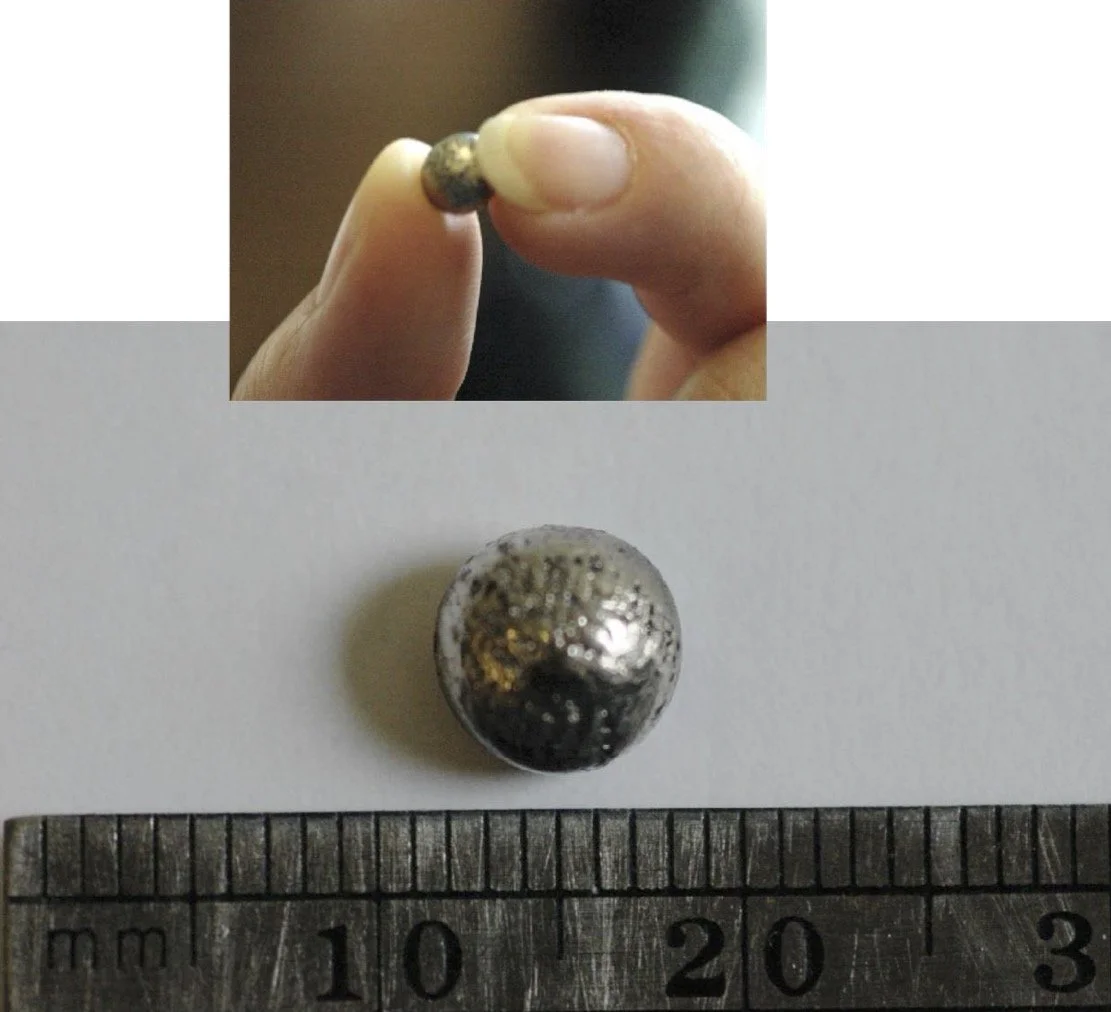
Silver colored metal ball ~ 7 mm in diameter composed of pure nickel. Metal deposition occurred on the molybdenum electrode as liquid droplets which fell off into the molten silicate electrolyte.
WHY IS THIS IMPORTANT?
Producing carbon free nickel is a great advantage for carbon free stainless steels.
In one step, we moved from dirt to liquid metal of requisite purity, and at or below the market price point. One-pot smelting. Processing compression