
SADOWAY TARGET METAL
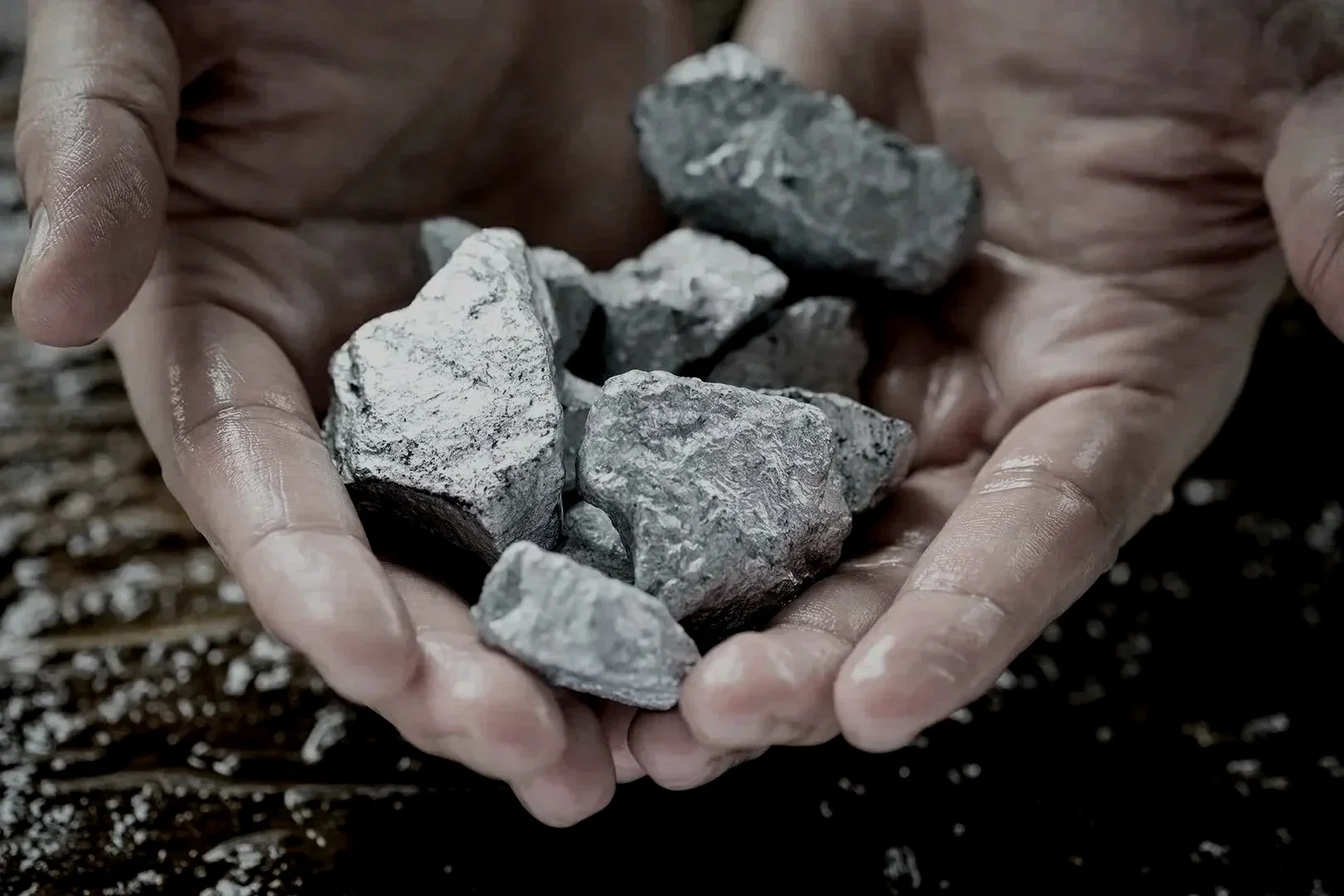
Scandium commands one of the highest per-kilogram prices of any commercially traded rare earth — a direct consequence of having no dedicated mines, inelastic byproduct supply, and a global production base estimated at 40 tonnes per year against demand running significantly ahead of that figure.
Scandium sits in Group 3 of the periodic table directly above yttrium and is classified as a rare earth element. It is recovered exclusively as a byproduct of titanium, uranium, cobalt, and nickel laterite processing — meaning total global supply is determined by the production economics of entirely different commodity markets.
Aluminum alloys: Adding scandium to aluminum creates strong, lightweight materials used in aerospace components, bicycle frames, lacrosse sticks, and baseball bats.
Lighting: Scandium iodide is added to high-intensity mercury-vapor lamps to produce an efficient light source that mimics natural sunlight.
Fuel cells: Scandium-stabilized zirconia is utilized in solid oxide fuel cells for cleaner energy production.
Consider scandium
Sc
Scandium 21
PROOF OF CONCEPT
Scandium experiments at Sadoway Lab
Based on work performed by Prof. Sadoway at Sadoway Lab, presented below is evidence of conversion of scandium oxide into liquid scandium by high-temperature electrolysis.
Consider a process in which scandium oxide (Sc2O3) which is found in its ores is dissolved in a solvent composed of a solution of metal oxides into which are immersed two electrodes. By the action of electric current scandium oxide is decomposed into liquid scandium which pools on the top of the cell and into oxygen which is ducted through the top of the cell. No fluorination with hydrofluoric acid, no calciothermic reduction of scandium fluoride. Refining to high-purity metal can be done by electrorefining in a Hoopes-Gadeau cell.
Experimental conditions
Extraction melt- CaF2 15 wt %, Li2O 5 wt %, mix of lanthanates 70 wt %, Sc2O3 10 wt %
Cathode – graphite crucible
Anode- suspended rod composed of platinum-group metal (plantinum or iridium)
Electrolysis performed at 1595℃.
WHY IS THIS IMPORTANT?
In one step we move from dirt to liquid primary metal which is subjected to a bespoke electrorefining step. One-pot conversion from dirt to primary metal. One-pot refining step to high-purity scandium. Processing compression.