

Radical
innovation
in metals
processing
Addressing the urgent gap in the supply chain for critical minerals and rare earths
one platform technology
60+ metals
world-wide reach
THE SOURCE FOR ADVANCED METALLURGY
Bespoke advanced metallurgy tailored to your ore bodies
The future of metallurgy is scalable, cost-effective, and clean.
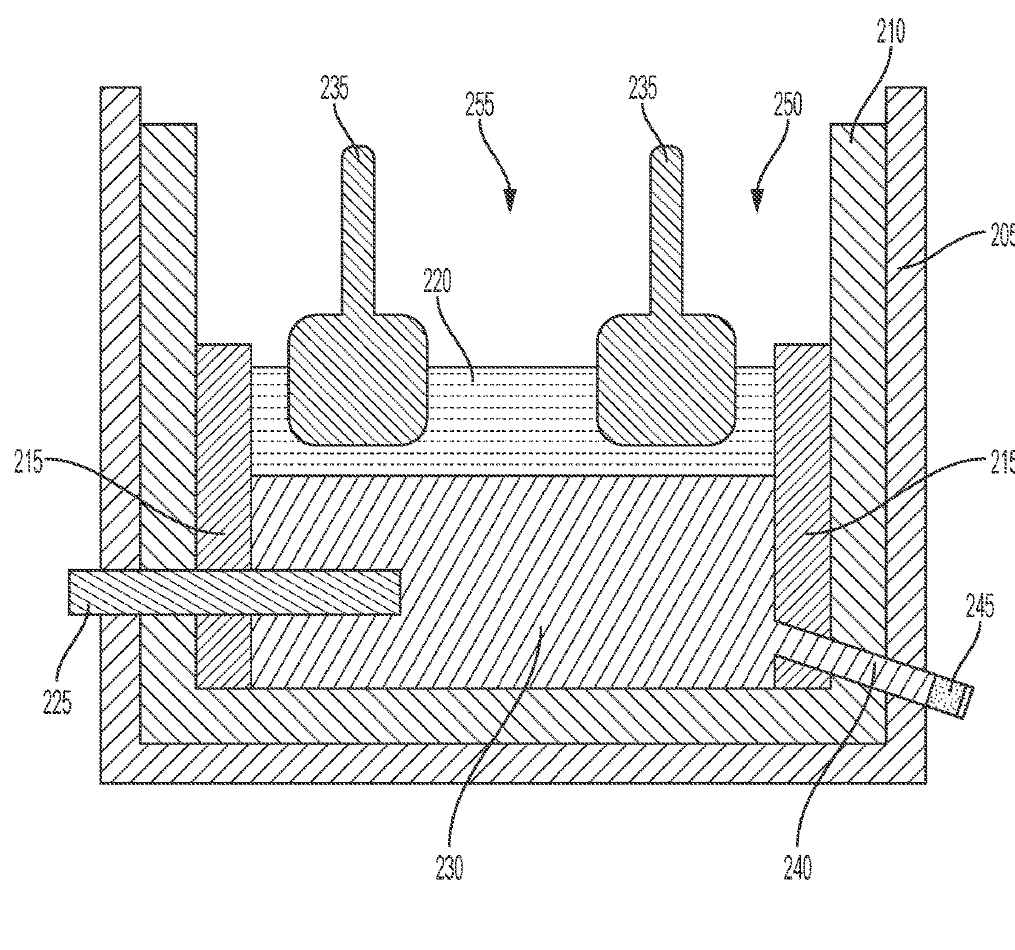
Sadoway Incorporated is a critical minerals company offering advanced metallurgical processing at our laboratory facility with our unique High-Temperature Electrolysis technology. Our four phase process takes ore from dirt to metal with High-Temperature Electrolysis determining the particular temperature and electrolyte required for the necessary ore purity. The process is then upscaled for processing in a smelter built near mine site, transportation or near a low-cost power source.
The High-Temperature Electrolysis process dramatically lowers capital intensity, deployment time, and emissions to convert feedstock into metal. The platform technology is modular, scalable, and cost effective.
Invented by Professor Sadoway at MIT, this bold idea has become a sustainable solution that will redefine how the world uses energy and minerals.
Sadoway High-Temperature Electrolysis is the only commercial process that converts the full spectrum of critical minerals into metals at commercial scale. Our technology is poised to disrupt the metals and mining industries worldwide.
$1.23T
GLOBAL NON-FERROUS METALS MARKET SIZE:
$1.23 trillion dollars 2024
by 2034 (~4% CAGR) 5 · growing to $1.78T
BUILDING THE CRITICAL MINERALS SUPPLY CHAIN
"Western strategy must shift from headline-metal mining to rebuilding processing capacity and capturing byproducts domestically or with allies. Relying on Chinese refining subsidizes a strategic adversary while exposing critical industries to chokepoints.”
MICHAEL CRANDELL
Co-founder and Chief Investment Officer Primary Commodity Fund
The new minerals diplomacy
Critical minerals are one of the defining resources of the new industrial era, and like oil, they have no commercial value unless they are refined for end-use. China currently controls purification for approximately 85% of the world’s mineral-rich materials, including those from the United States, Europe and allied nations.
Exporting ore-to-metal processing across the globe not only exposes profound structural vulnerabilities in western supply chains, but also transfers the technical know-how and control over critical minerals for defense and industry.
In a world increasingly defined by technological advancement and geopolitical complexity, securing a domestic supply of critical minerals is no longer optional, it’s essential.
It has been called "the missing midstream," the challenges of establishing a robust domestic processing base in the United States.
Addressing this bottleneck has become a national priority across the West. Developing smelting capacity seizes control of the most consequential supply chains of the next century as supply chains have become politicized.
The risks caused by overdependence on a single supplier have triggered a wave of investment in support of new sources of metals.
“You can’t build super intelligence and data centers without enormous quantities of critical minerals. It’s time to find, develop, mine and process all critical minerals to secure our country’s future and do it in a way that is clean and sustainable.” —Robert Friedland
OUR FOUNDER

DONALD R. SADOWAY, PhD
High-Temperature Electrolysis is another breakthrough solution from the laboratory of Professor Donald Sadoway
Sadoway Incorporated commercializes the breakthrough inventions of Professor Donald Sadoway. Industry seeks new approaches to our relationship with energy and minerals. The Sadoway technologies represent radical innovation and solutions to the some of the world’s most pressing problems.
Professor Sadoway’s research directly addresses the need for alternatives that are safer, cheaper, longer lived, and less dependent on scarce or geopolitically constrained materials. Industrial decarbonization requires technologies that can scale without creating new safety, supply chain, or environmental burdens.
His impact on industry is also unusually strong. His inventions have moved beyond the laboratory into serious commercial development, including technologies associated with liquid metal batteries, aluminum sulfur batteries, lithium metal batteries, and electrochemical metals production.
His ideas have attracted industrial attention because they are conceived from the outset with scale, manufacturability, resource availability, and cost in mind. Professor Sadoway’s impact on academia has been equally profound. At MIT for 44 years, he has educated generations of students to think rigorously and boldly about chemistry, materials, and energy. His teaching is widely admired because it presents science not merely as a body of knowledge, but as a creative and consequential human enterprise.
He earned his PhD in chemical metallurgy from the University of Toronto.
The Sadoway style: cost-informed discovery starting with the periodic table, respecting thermodynamics, inventing processes that can scale, and designing chemistry in service of society.
43
issued patents
180
published papers
Radical research requires dedicated funding
For over 40 years Professor Sadoway’s research has been funded by many outstanding organizations, corporations, and financial institutions, including:
American Iron and Steel Institute
Total
Apple
Bill Gates
Breakthrough Energy Ventures
Eni
Alcoa
Schmidt Futures
Dow Chemical
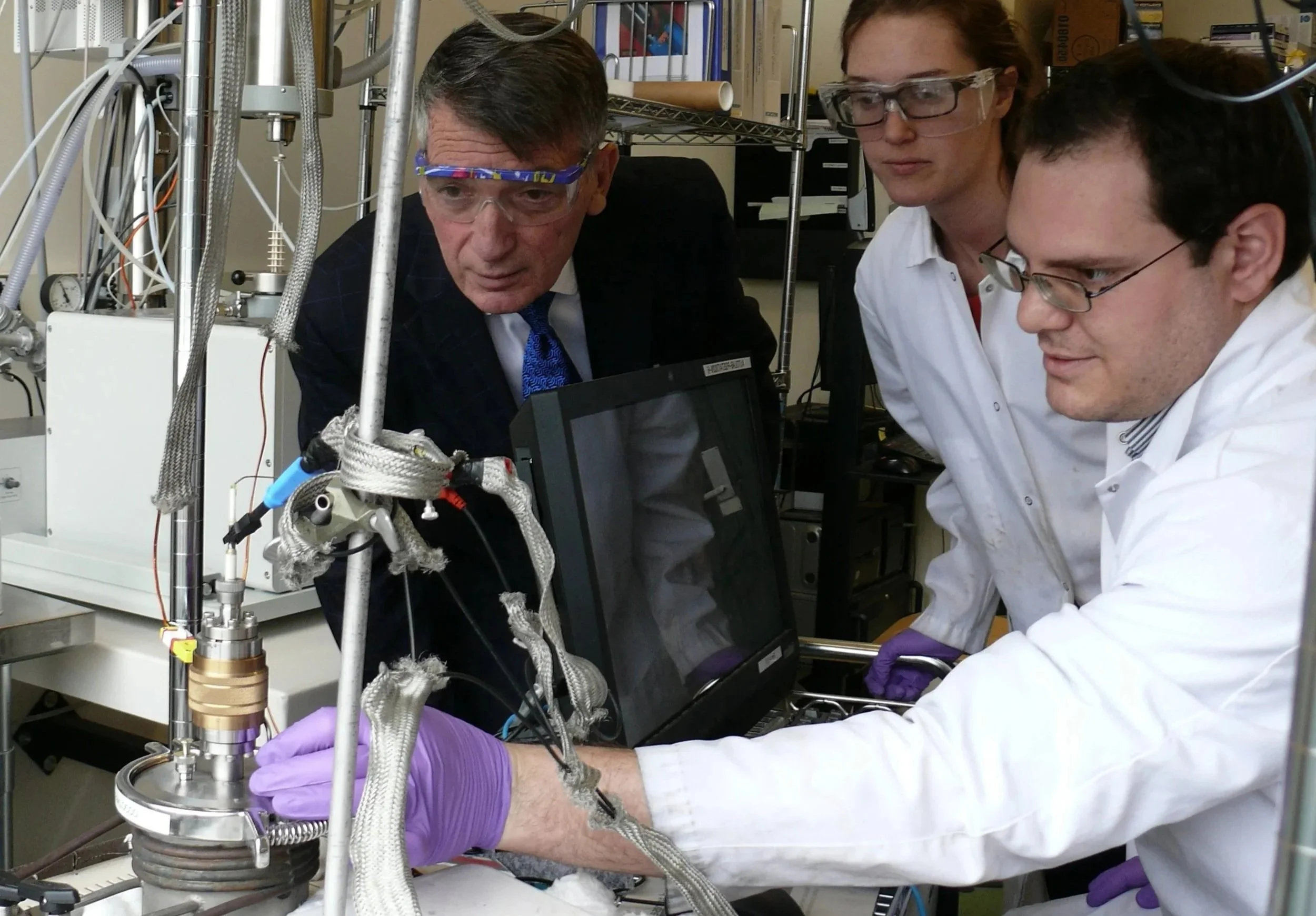
Team Sadoway: material scientists and rock stars
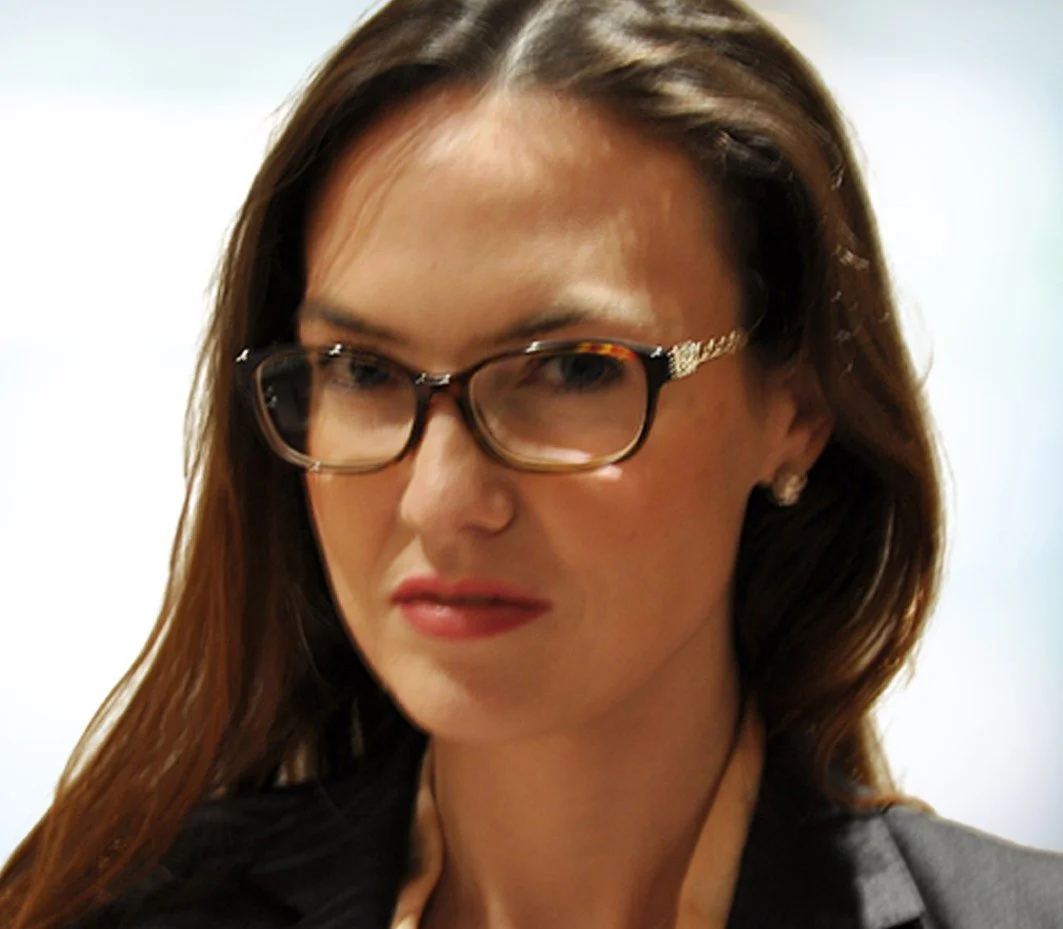
Rhonda Irby
Rhonda Irby is responsible for shaping the company’s commercial strategy and market expansion. As Chief Commercial Officer, she drives the transition of breakthrough technologies from the lab to scalable, real-world solutions, forging strategic partnerships that align with national priorities. With extensive leadership experience across government, defense, and industrial sectors, Rhonda specializes in building ecosystems that accelerate commercialization and strengthen critical supply chains. Her track record in strategy, business development, and market positioning ensures Sadoway’s innovations reach the partners and platforms where they create the greatest impact.
Chief Commercial Officer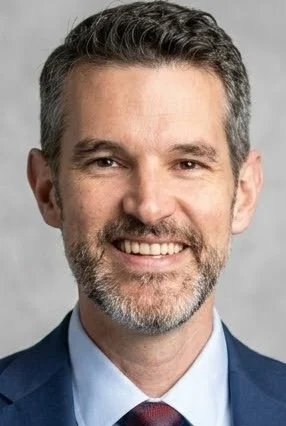
Paul Burke, PhD
Dr. Paul Burke is a metallurgist and materials scientist with extensive experience in high-temperature electrochemistry, molten-salt systems, and industrial-scale electro-metallurgical process development. He has led multiple advanced energy and molten-metal programs across academia, government-funded research, and private industry. In his role as CTO of Sadoway Incorporated, Dr. Burke is responsible for technical execution of High-Temperature Electrolysis, including reactor design, operational setup, laboratory integration, and the rapid reduction-to-practice experiments needed to validate core process feasibility. His combined experience in molten-salt chemistry, high-temperature electro-processes, and engineering program leadership positions him as a key technical driver of the Sadoway metals-extraction program.
Chief Technical Officer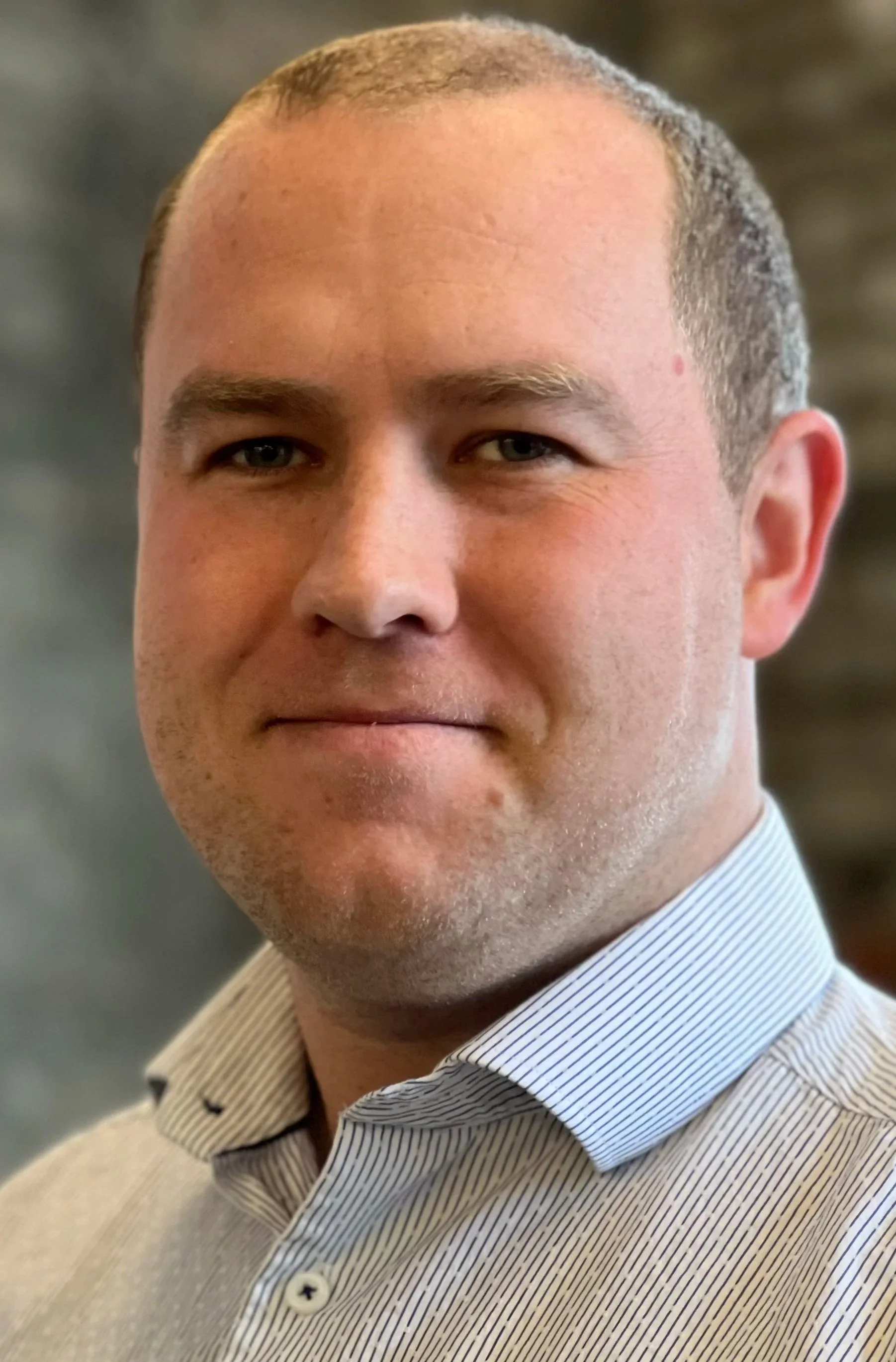
As Chief Engineer of Sadoway Incorporated,Mr. Lubbe provides technical leadership in system design, equipment integration, reactor setup, safety systems, and build-out of the laboratory infrastructure required for molten-electro-reduction of feedstock. Mr. Lubbe is a systems engineer and engineering leader with more than 15 years of experience across high-temperature metal systems, aerospace, additive manufacturing, inert gas/containment technologies, and advanced industrial R&D. His combined expertise in mechanical systems, high temperature engineering, inert-environment equipment, and additive manufacturing positions him as a key technical contributor to the Sadoway metals-extraction effort.
Chief EngineerSteven Lubbe
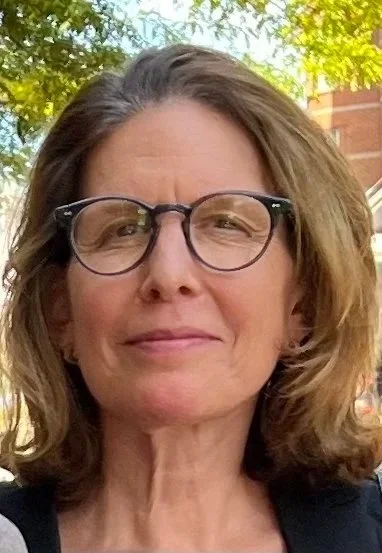
Rebecca Miller is a multi-discipline artist and designer whose work encompasses graphics and identity, strategy and positioning, websites and digital experiences, advertising and photography, sound and motion, two-dimensional and sculptural art, and the written word. She has won awards and gained recognition from the corporations, agencies, broadcasters, and universities who trust her to bring their messages to life. Her portfolio includes a broadcast series for the host Sir David Frost, a civil rights documentary, theater programs for General Electric, multi-screen installations for the World Business Forum, music videos for Bose, and a series of customer profiles recorded in Europe for MathWorks. She has produced hundreds of programs for schools and colleges, most notably for Harvard University, Harvard Business School, Massachusetts Institute of Technology and Northeastern University.
Marketing CommunicationsRebecca Miller
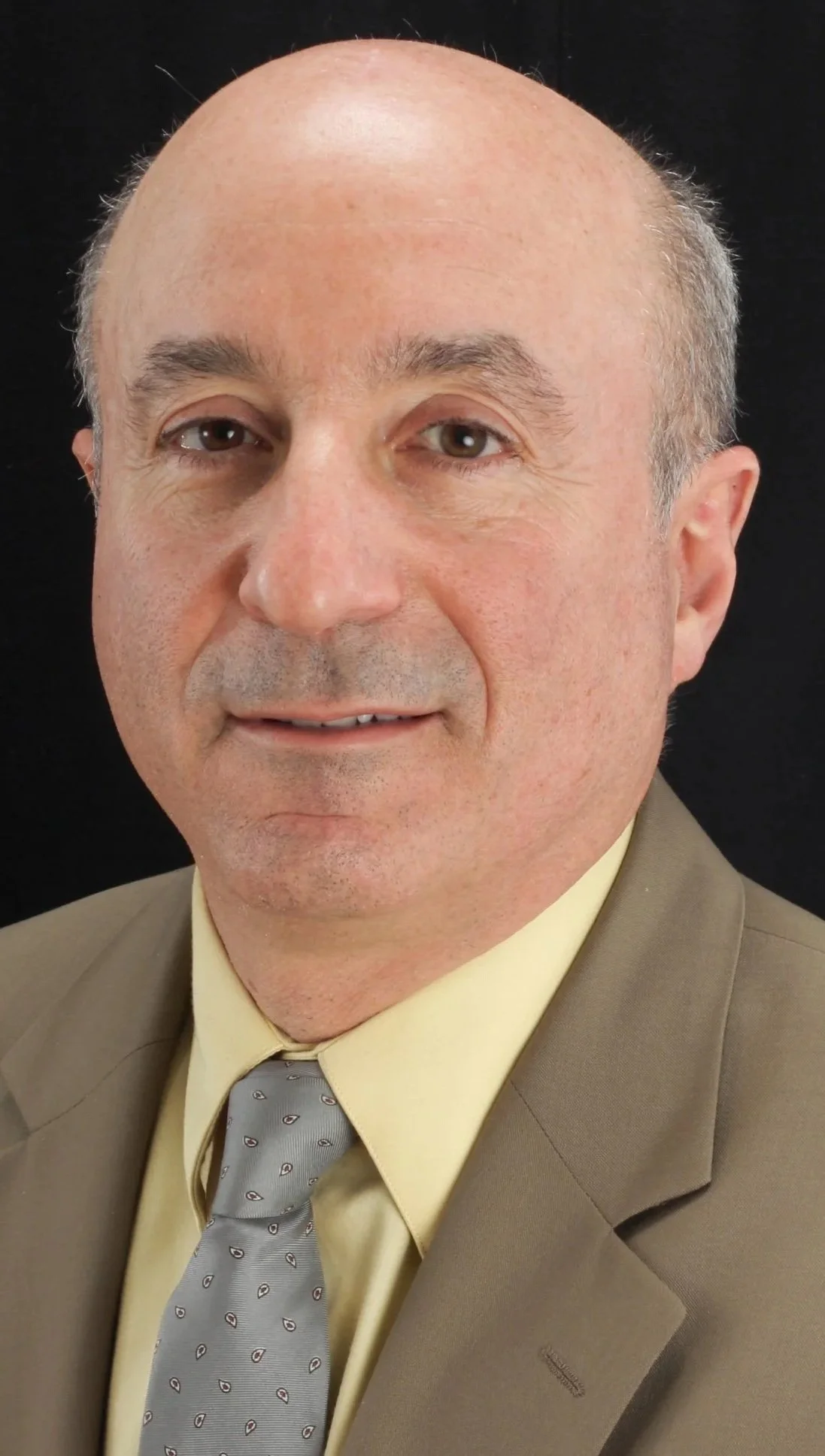
Chief Financial OfficerDon Rifkin
Sadoway, “a one-man patent office.”
Donald Sadoway has been called “A one man patent office” by one of the senior partners at WSGR, the legendary firm that worked closely with Steve Jobs. With 43 US patents issued in his name, nine of Sadoway’s patents relate to high-temperature electrolysis of metal. Sadoway’s other patents apply to battery technology, carbon abatement, and specialized polymers.
For Sadoway Incorporated, each target metal will likely generate new IP, resulting in a revenue stream via licensing and royalty payments.
With many target metals in our sight—such as titanium, antimony, uranium, neodymium, scandium — new processes will be followed by new patent applications. The company IP, and each new patent, drives the corporate valuation, competitive advantage, and strategic growth.
GENERATING INTELLECTUAL PROPERTY
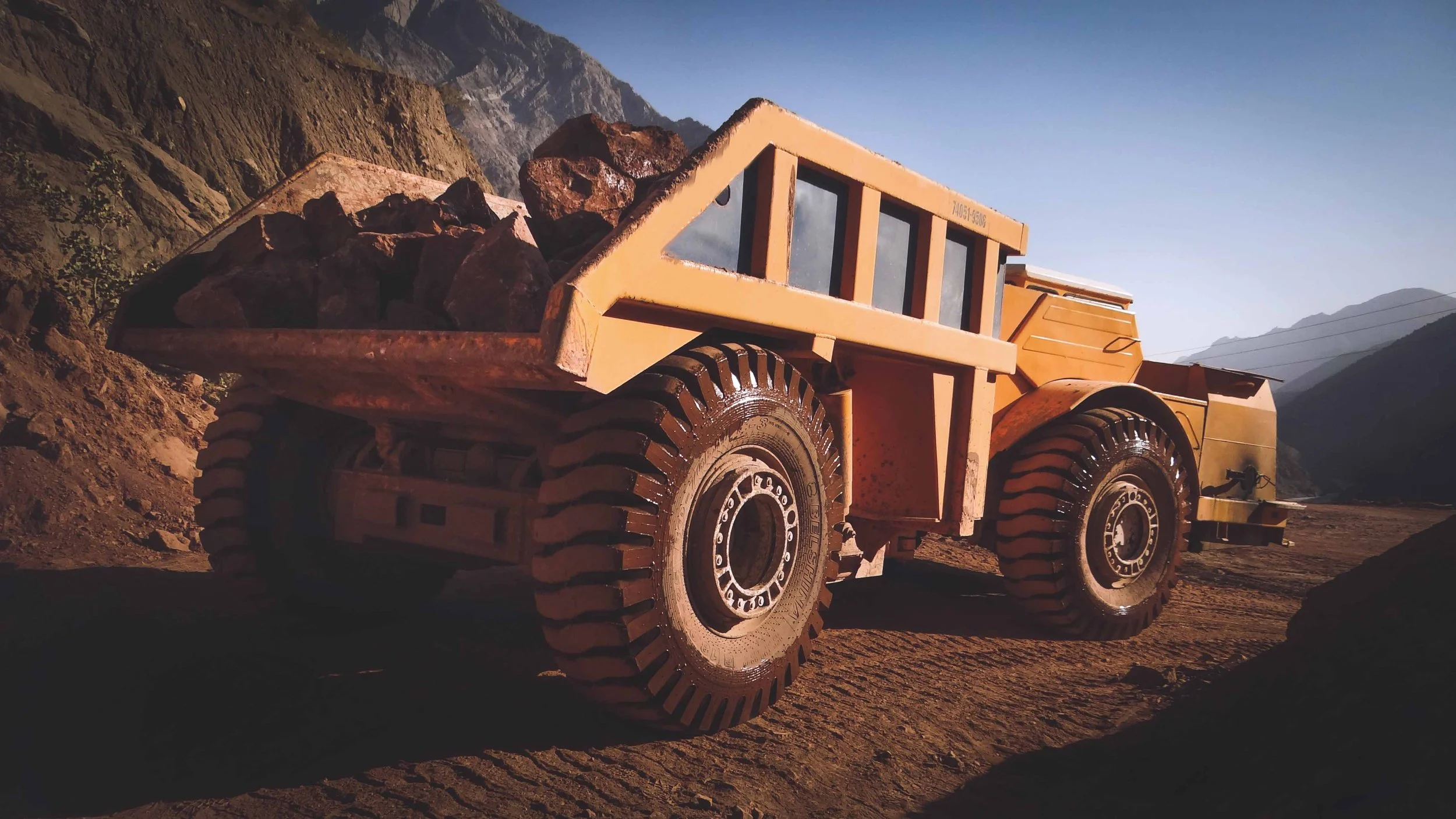
Extraction and processing at the mining site,transportation port, or energy source
-
Saving transportation costs for feedstocks with extraction technology located next to the mine. No longer will ore be shipped across the world for processing
-
Consider co-locating metals extraction where energy costs are low. Energy supplied by hydropower, or other low-cost energy sources, is a game changer for the economics of metals processing
-
Consider saving years of permitting challenges with processing facilities that generate almost no emissions to air, water, or soil.
-
The Sadoway smelter is built to the specifications of the site and tonnage demand. It is far smaller than a legacy smelter, with a modular design.
END-TO-END COST SAVINGS
STRATEGIC IMPERATIVE

Maintain control over supply chain
In a world increasingly defined by technological advancement and geopolitical complexity, securing a domestic supply of critical minerals is no longer optional, it’s essential. Tackle supply chain bottlenecks from overseas processors by keeping the smelters close to the mine, power source or transportation hub.
Reduce uncertainly
The Sadoway process, as both modular and scalable, locks in self-sufficient supply chains for security, resilience and economy. Building up domestic supply chains is a matter of sovereignty and market control; this is especially true of niche metals that risk dependence on a single supplier. Because we convert the feedstock to metal, our process obviates reliance on adversarial processing facilities which means resource nationalism—a complete domestication of metals extraction.
Environmental & Permitting Compliance
With near zero emissions to air, water and soil, permitting becomes easier. Time and money wasted on permitting is eliminated.
Site near power source
By siting the smelter close to a low-cost power source, such as hydropower, allows for control over the power OpEx. Connect directly to power generation assets (such as nuclear or renewables) to bypass legacy transmission and distribution tariffs. This strategy minimizes transmission costs and wholesale electricity rates.
Reduce transportation costs and CO2 emissions
Siting the smelter near a transportation hub, such as a seaport or air base, allows for faster cargo movements, lower transportation costs, and near elimination of transportation emissions.
Earn carbon credits
Earn carbon credits by reducing emissions relative to traditional fossil-fuel relient mining and smelting. Because metals are notoriously energy-intensive, any verified reduction in their production footprint translates directly into tradable carbon offsets or compliance certificates.