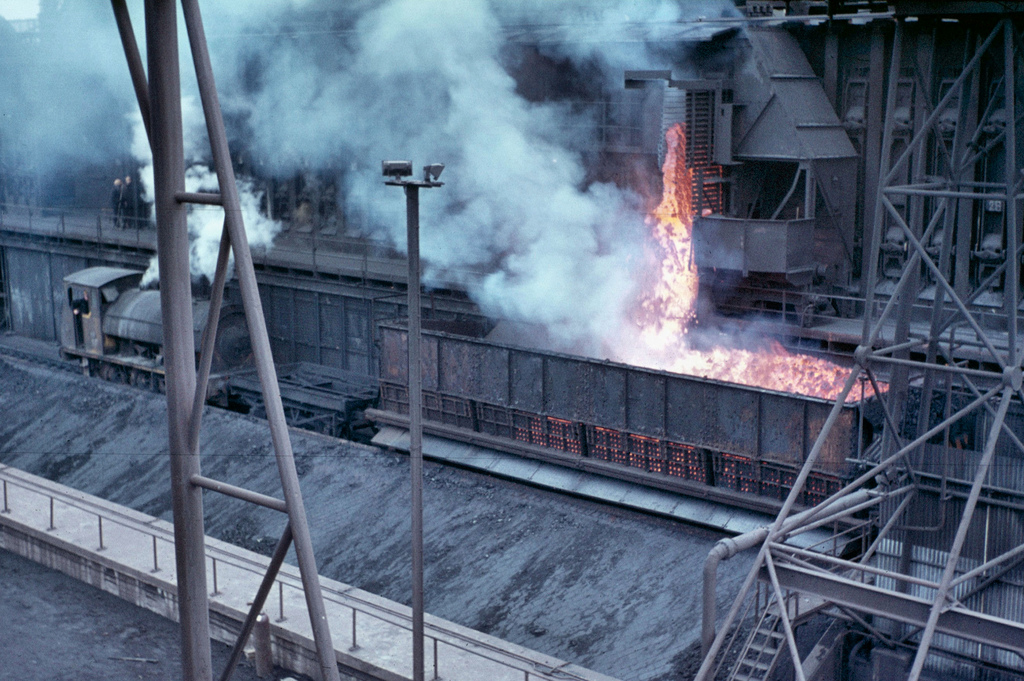
The blast furnace was invented over 150 years ago.
Traditional metal-making looks like a chemistry set from the 1800s: grind up the ore, mix it with coal, heat it in a giant furnace, and let the carbon steal the oxygen away from the metal. The unavoidable byproduct is carbon dioxide — lots of it.The process needs several large, expensive facilities working in sequence.
Toxic, inefficient, and wasteful, with a high environmental impact polluting water, air, and soil. Trucks drive in the coal and iron oxide, and they drive out with steel. The air is black and the people choke. We have a better way.
Sadoway'sapproach replaces coal with electricity. The ore is dissolved in a molten salt bath between two electrodes. When current flows, pure liquid metal collects atone electrode and oxygen gas vents at the other. One step. One vessel. No coal, no furnaces in a chain, no coke ovens.
The science isnot speculative. The exact same principle produces essentially all of the world's aluminum today — a multi-hundred-billion-dollar industry built on an electrochemical process invented in 1886. Sadoway has extended the approach to a much broader family of metals, including iron (licensed to Boston Metal,where he was co-founder), titanium (developed with Norway's Elkem), and now vanadium, rare earths, and antimony.
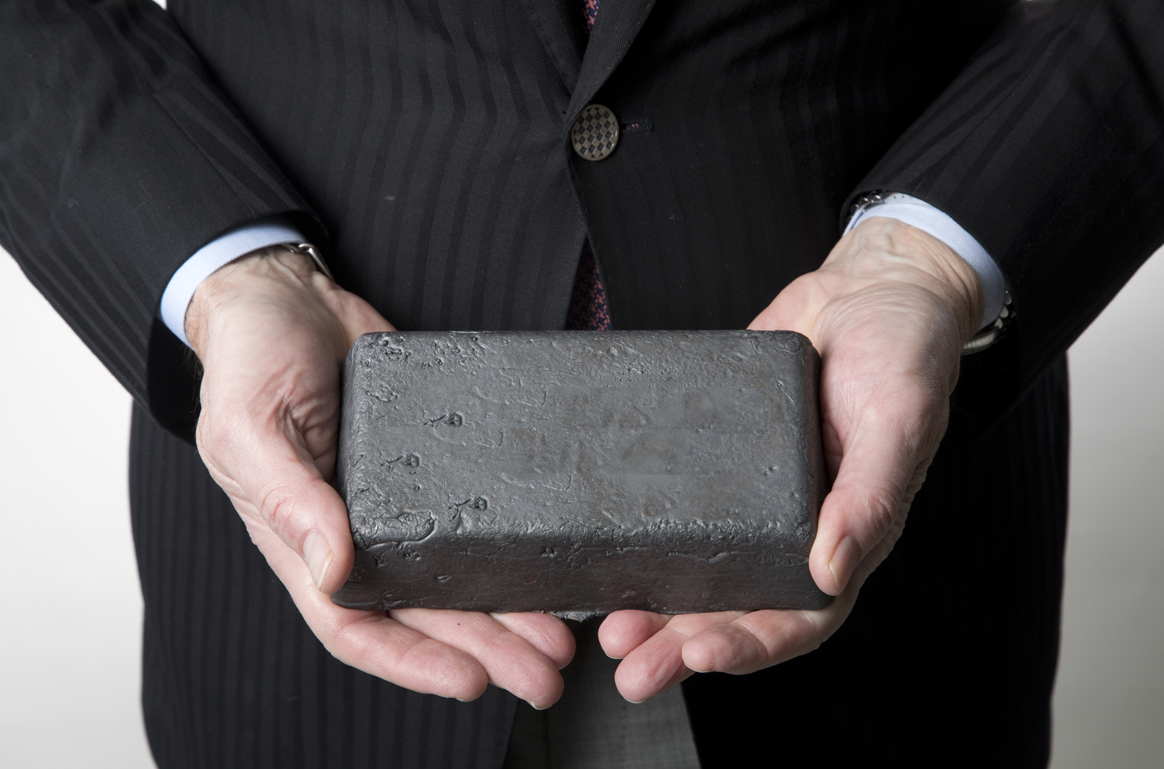
The solution for converting dirt into metal.
Remember you can't draw copper wire from copper ore. You need copper metal.
Exploiting extreme electrochemistry, Donald Sadoway and his team at MIT invented new and revolutionary processes that can produce a plurality of elements across the periodic table. Iron (steel), titanium, antimony, gallium, scandium, neodymium, and more.
Together they developed the molten oxide electrolysis platform along with the inert anode. Examples include molten silicate electrolysis, molten borate electrolysis, molten titanate electrolysis, molten lanthanate electrolysis. We refer to these inventions as a group called High-Temperature Electrolysis.
High-Temperature Electrolysis will convert dirt to metal for over half ofthe elements on the periodic table.
These technologies produce metal without the use of hydrocarbons and with no greenhouse gas emissions. The products are of higher quality and lower cost than metals produced by their respective legacy processes. Our game-changing platform technology is cost-effective, scalable and creates value along the entire supply chain.
Just to be clear, we are not engaged in the production of metals pursued by other Sadoway related entities, namely steel, ferro alloys, and lithium.
They call it "the missing midstream," the challenges of establishing a robust domestic processing base in the United States. Addressing this challenge has generated bi-partisan support in congress, both in efforts to diversify global supply chains and for increased investment to build up domestic processing capacity.
Exporting ore-to-metal processing exposes profound structural vulnerabilities in western supply chains but also transfers the technical know-how and control over critical minerals for defense and industry.
The Sadoway scientific ecosystem addresses the need for a stable, strong and green supply chain for defense and other national needs.
• It's platform technology. One invention addresses many metals. The core cell designand control know-how transfer from chemistry to chemistry.
• It's been proven at scale. Boston Metal, founded by Sadoway in 2012 to apply this approach to steel, has raised over $370M from investors including BMW, ArcelorMittal, Microsoft's Climate Innovation Fund, andBreakthrough Energy Ventures. Existence proof matters.
• It's cheaper and cleaner. Fewer process steps mean lower capital cost. No coal means dramatically lower emissions. Higher energy efficiency means competitive unit economics at today's electricity prices.
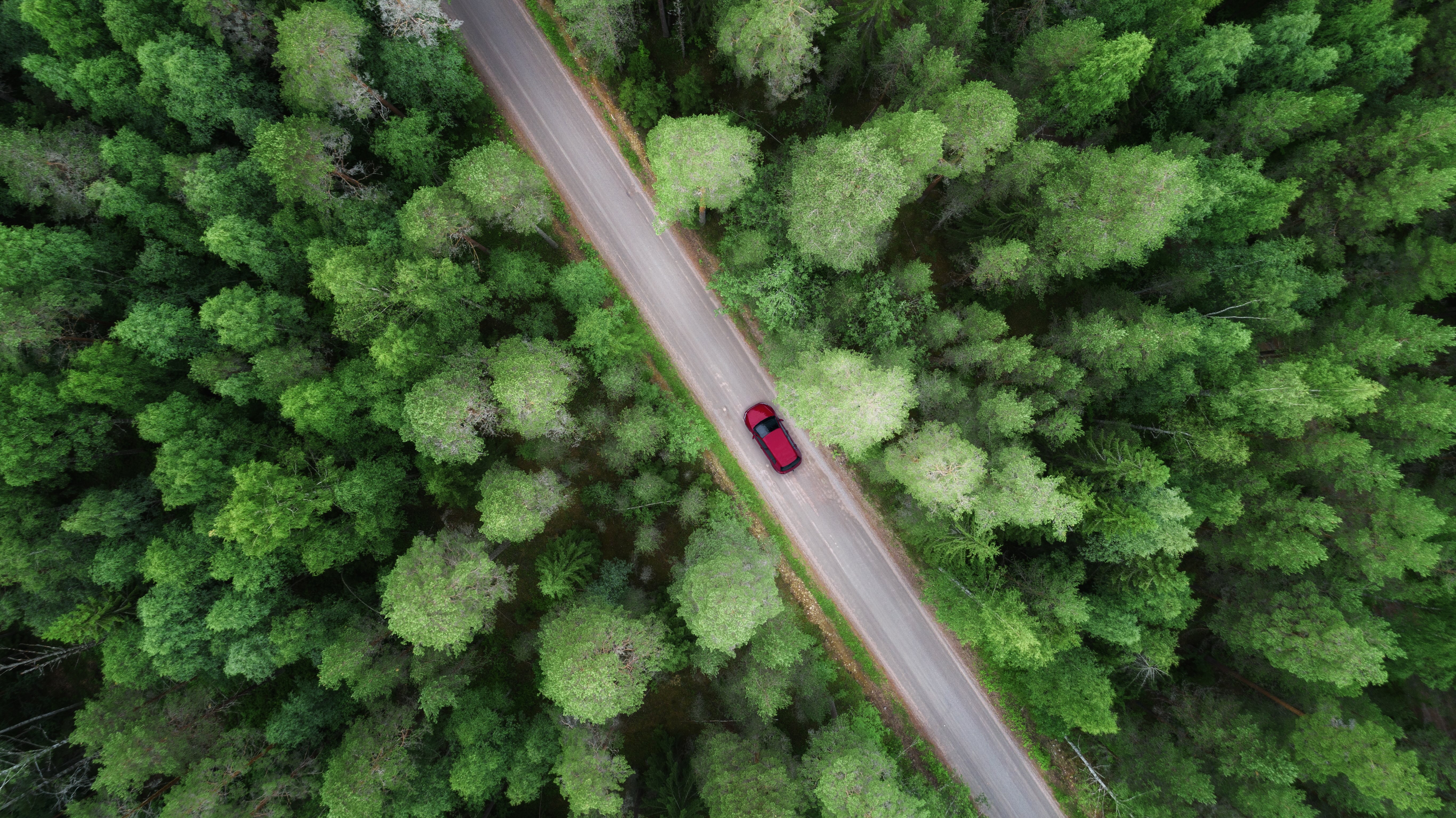
With High-temperature Electrolysis, the mining and metals industries have a scalable, cost-competitive and sustainable solution to produce a range of metals from feedstocks derived from critical minerals.
Environmental impact of green metallurgy and zero-waste processing technology will be felt worldwide.
High-Temperature Electrolysis is a tonnage metals platform technology, powered by electricity, developed to unlock critical metals, and revolutionize metals extraction. The process separates elements cleanly from other minerals and contaminants.
The High-Temperature Electrolysis cells are modular and scalable and can be tailored for use with a wide range of minerals.
Consider
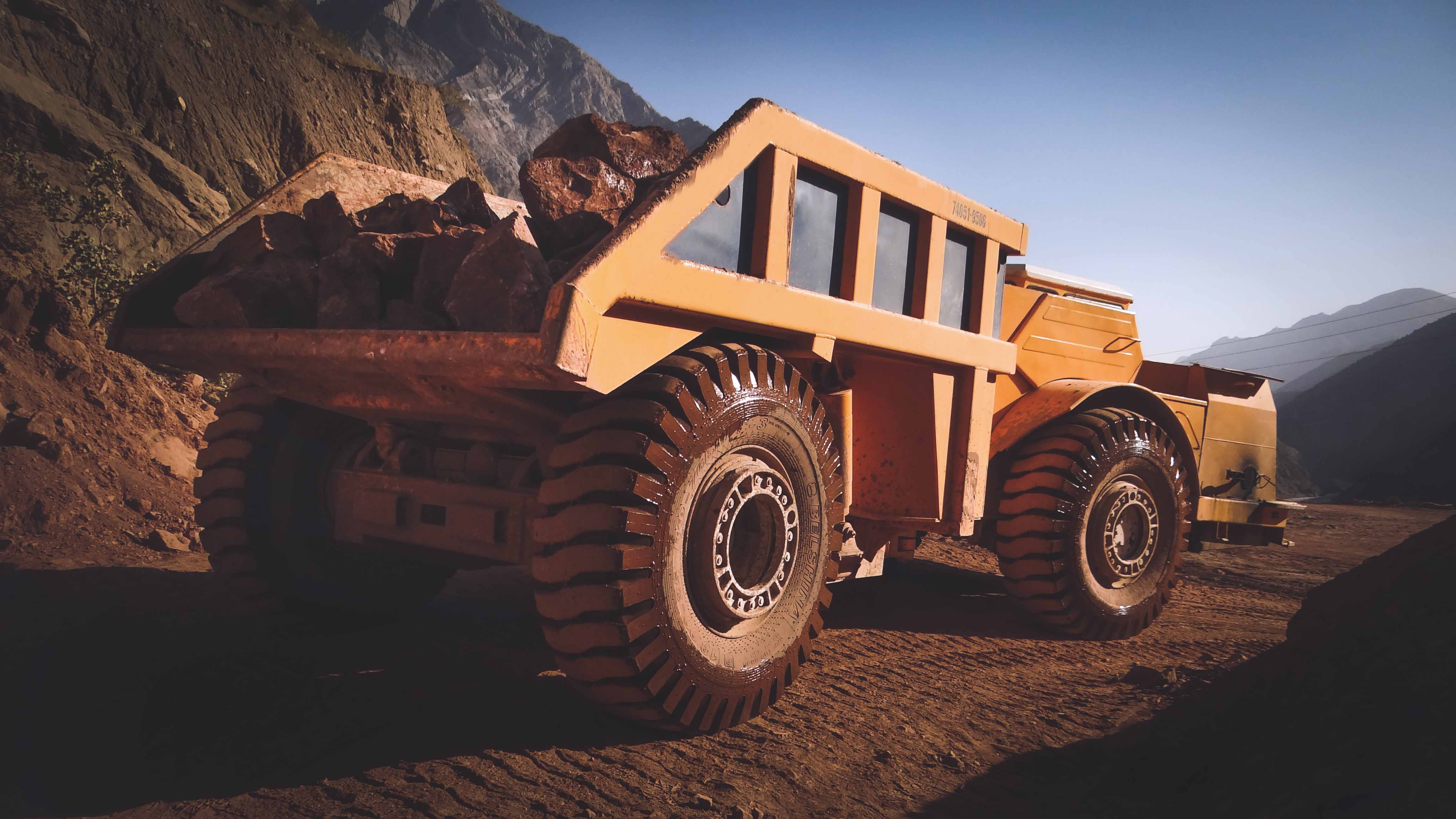
Saving transportation costs for feedstocks with extraction technology located next to the mine. No longer will ore be shipped across the world for low-cost processing.
Consider
Co-locating metals extraction where energy costs are low. Energy supplied by hydropower, solar, or wind generation is a game changer for the economics of metals processing.
Consider
Saving years of permitting challenges with processing facilities that generate almost no toxic waste to air, water, or soil.
Consider
The modular units, created to the specifications of the mineral and the site, combined to meet tonnage demand.


